


Irish property prices rose 4.7% in the year to September 2026. The Central Statistics Office published the figures on 18 November. Growth slowed from 5.1% in August to its weakest annual rate since December 2023. For people looking for a home, the national median price was still €400,000. However, prices rose faster outside Dublin than in the capital.
The CSO’s September release covers sales by households at market prices. The release on Irish property prices puts two figures together that are easy to confuse. The first tells readers how prices have changed. The second describes the midpoint of what households actually paid for homes over a year.
What the Irish property prices index measures
The Residential Property Price Index combines houses and apartments. The 4.7% increase compares September 2026 with September 2025. The 5.1% figure compares August 2026 with August 2025. A smaller annual increase means the pace of growth slowed across those two comparisons. Both rates were positive, so the index remained above its level a year earlier in each case.
The €400,000 median, also reported in the August release, comes from a rolling 12 months of purchases. Sort those purchases by price and the median is the middle value. The mix of homes sold can affect it. A month with more expensive homes changing hands feeds into that measure alongside the other months in the window. So the two figures answer different questions: how much prices rose and what households paid.
Timing also matters. The CSO bases the index on stamp duty returns. Buyers have 44 days to file those returns. The CSO treats its latest three months as provisional because later returns can change the figures. September is the latest release in the CSO’s property price series as of 22 November.
Irish property prices in Dublin and elsewhere
In Dublin, the index for houses and apartments was up 3.9% from September 2025. Outside Dublin, the equivalent increase was 5.4%. Within Dublin, the CSO recorded house-price growth of 1.6% in Dublin City and 6.4% in Dún Laoghaire-Rathdown. For comparison, use the house-price figures elsewhere in the release. The figures for all homes also include apartments.
Outside Dublin, house prices rose 8.7% in the Border region. That region includes Cavan, Donegal, Leitrim, Monaghan and Sligo. In the South-West, which covers Cork and Kerry, they rose 3.5%. A separate breakdown shows that apartment prices outside Dublin rose 7.6% over the year. Nationally, house prices were up 4.6% and apartments were up 5.8%.
Regional differences also show up in the prices buyers paid. Dún Laoghaire-Rathdown had a median price of €680,000 over the 12 months to September, compared with €200,000 in Longford. Each figure refers to sales in a different area. For example, someone choosing between two towns can compare recent sales of similar homes. The CSO’s local figures can help narrow the search.
How to compare prices by Eircode area
Buyers following Irish property prices can also use the CSO’s Eircode-area data for a more local view. In the September release, the median was €865,000 in the A41 area around Ballyboughal and €169,000 in F45 around Castlerea. Those are medians for transactions in each area over the year. For a house-hunter, the practical follow-up is to look at homes with a similar floor area, condition and location. A sparse set of recent comparable sales may leave a wide range of plausible prices.
What Irish property prices mean for first-time buyers
Revenue filings recorded 4,714 purchases by households at market prices in September, including 1,920 by first-time buyers. The comparable first-time buyer count a year earlier was 1,784. The September total includes 3,568 existing dwellings and 1,146 new dwellings. The counts cover purchases that households recorded in filings that month. They leave out people still searching or waiting to complete a sale.
A separate CSO study of first-time buyers put the median gross income associated with a first-time buyer transaction in 2024 at almost €83,000. That is useful context for who was able to buy then. However, the income figure and the current €400,000 median cover different groups and periods. The income can also reflect more than one buyer.
What a €400,000 purchase can mean for a deposit
Under the Central Bank’s mortgage measures, first-time buyers can usually borrow up to four times their gross income. The standard rule also caps borrowing at 90% of the home’s value. For a €400,000 property, a 10% deposit is €40,000. For example, a €360,000 mortgage would imply €90,000 in gross income at the full four-times multiple. Lenders can make some loans above the limits and also apply their own affordability checks.
Buyers also need to budget for costs beyond the deposit. The Competition and Consumer Protection Commission’s mortgage guidance lists stamp duty, legal fees, valuation and insurance among the costs to plan for. At the standard 1% stamp duty rate for a €400,000 home, that item alone is €4,000. The deposit and stamp duty in this illustration come to €44,000 before the other costs.
How the deposit and income figures change with price
The same calculation gives a different picture at other prices. At €300,000, the standard 10% deposit would be €30,000. A €270,000 mortgage would imply €67,500 in gross income under the four-times limit. At €450,000, the equivalent figures would be €45,000, €405,000 and €101,250. These examples illustrate the borrowing limit. A lender may offer less after assessing repayments and the buyer’s other commitments.
Buyers preparing the paperwork can also read iRO’s guide to planning a mortgage application. Those comparing an offer with their wider budget can start with the questions in iRO’s guide to choosing financial advice. Follow the latest figures and other national developments in iRO’s news coverage.
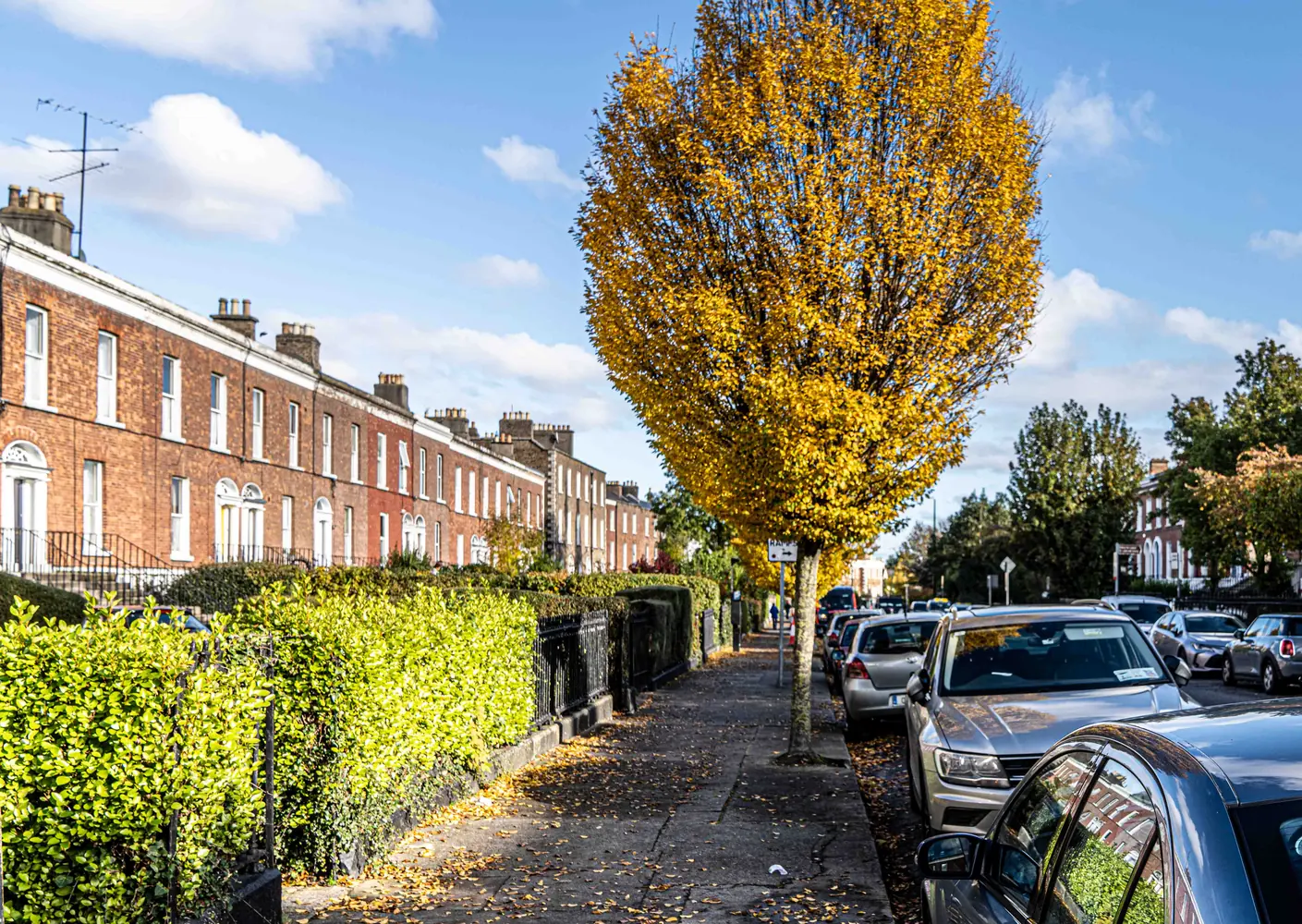
Featured photo by William Murphy, CC BY-SA 2.0. Cropped and resized by iRO.ie. Source: commons.wikimedia.org/?curid=114764946. Licence: creativecommons.org/licenses/by-sa/2.0/.
