


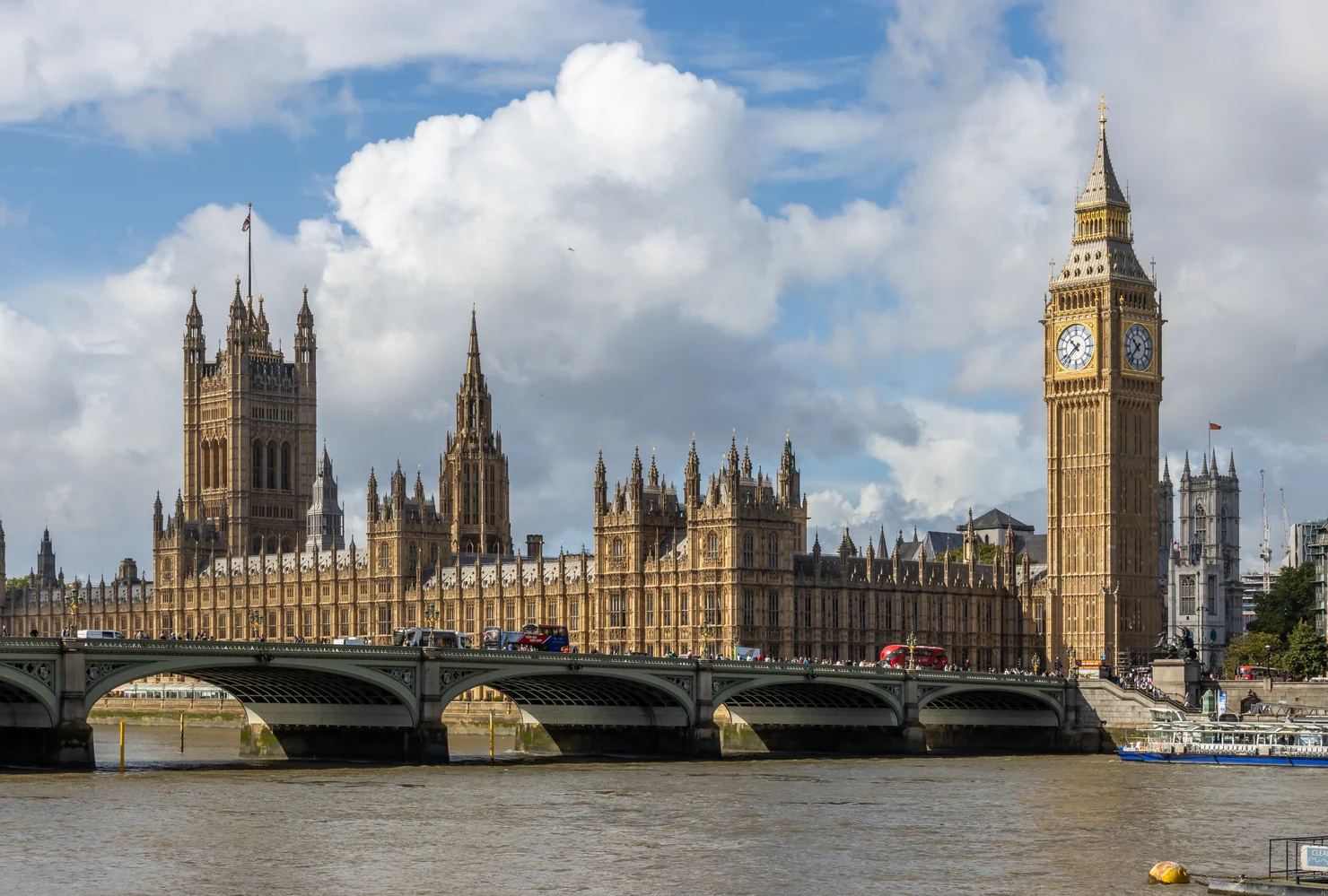
The UK Finance Bill 2026 is due for its Commons second reading on Monday, 23 November. MPs will debate a package of tax measures following the 28 October Budget. It includes a proposed annual charge on owners of some high-value homes in England. It also proposes changes to customs duty relief for lower-value parcels. The two measures have different timetables and affect different readers.
Parliament’s business schedule still listed the second reading when checked on 22 November. The Order Paper for Monday includes the debate and a proposed timetable for the stages that would follow. The government introduced the UK Finance Bill 2026 on 4 November. The second reading is when MPs consider the principles of the bill as a whole.
UK Finance Bill 2026 and the England-only property charge
The proposed High Value Council Tax Surcharge covers residential properties in England valued at £2 million or more in 2026. The government plans for the annual charge to take effect from April 2028. Under the proposal, owners would pay the surcharge. For example, the owner could owe the surcharge even if someone else pays the ordinary council tax.
A home in England valued below £2 million in the relevant valuation year would fall below the proposed threshold. Owners near the threshold should check which valuation the surcharge will use. They should also look for the final rules on challenges and relief. The government says local authorities will collect the charge. Ordinary council tax will continue alongside the surcharge, under its own rules.
Scope is important. The charge relates to residential property in England. A similarly valued property elsewhere in the UK falls outside this proposal. Watch for changes to the threshold and start date. Also check for details on discounts, exemptions and when owners can defer payment.
How the UK Finance Bill 2026 could change parcel duty
The HMRC policy note on low-value imports says the government plans to end customs duty relief on eligible consignments worth £135 or less. It plans to introduce the new arrangements by October 2028 at the latest. The bill provides powers to design the new arrangements through secondary legislation. That makes the regulations as important to a merchant’s costs and paperwork as the headline threshold.
For example, a buyer might order a £100 item from overseas for delivery to Great Britain. Customs uses the consignment value under the applicable rules. The current relief is a customs duty measure. VAT has separate rules. So the £135 threshold alone tells a buyer little about the total charge at checkout. Once the new regime is in place, sellers and intermediaries will need to establish what duties and reporting apply for particular goods.
The reform reaches beyond direct sales from one retailer to one customer. HMRC also identifies online marketplaces and the parcel operators or customs intermediaries that handle consignments. A small retailer using a marketplace might need different information from a shop filing its own customs declarations. In both cases, sellers will need to check who declares the parcel and pays any duty under the final rules.
What Irish sellers shipping to Great Britain should watch
For a business in the Republic of Ireland selling goods to customers in Great Britain, the issue is the destination’s customs rules. In the meantime, sellers can review which consignments fall under £135. They can also ask how their carrier or marketplace handles them today. An Post’s business guidance on shipping to Britain explains the existing process.
By contrast, the reverse route has its own rules. Irish Revenue’s guidance for shoppers receiving parcels from outside the EU explains the EU handling fee that took effect on 1 November. The EU fee and the UK’s proposed 2028 changes relate to different destinations. HMRC’s consultation response also says goods moving into Northern Ireland under the Windsor Framework are outside the scope of that consultation.
What MPs will decide at second reading
A second reading decision is about whether the bill should proceed. If the bill advances, the proposed timetable sets aside 30 November and 1 December for selected provisions. A Committee of the whole House would examine those provisions. The proposal sends other clauses to a Public Bill Committee. MPs can scrutinise the text and propose changes at later stages. The Commons Library briefing explains how the bill followed the Budget and which provisional tax resolutions were already agreed.
The Order Paper also lists a reasoned amendment. It asks the Commons to decline the second reading and sets out objections to the Budget. Such a motion is part of the debate ahead of a decision. On Monday, look for the second reading decision and any agreed programme motion. After that, check the timetable for scrutiny of individual clauses. The published schedule remains the place to confirm the dates as they change.
When could the proposed measures take effect?
The distinction matters for anyone acting on a date in the Budget. Parliament gave provisional effect to some VAT and stamp duty measures on Budget day. For the property surcharge and parcel reform in the UK Finance Bill 2026, watch for two milestones. First, check whether Parliament passes the bill. Then look for the detailed rules. For an order this week, check the current price and the seller’s delivery terms. Also look for any VAT at checkout. Meanwhile, merchants planning for 2028 can confirm where they dispatch orders and who handles them at the border. The two decisions rely on different information even where the goods have the same value. Households and businesses can use the bill’s official status page to track its progress.
For a separate example of how UK spending policy affects businesses and workers, see iRO’s coverage of the UK’s AI policy and public investment. Follow the wider implications for employers and cross-border trade in iRO’s business coverage and the latest parliamentary developments in iRO’s News section.
Featured photo by Mike Peel, CC BY-SA 4.0. Cropped and resized by iRO.ie. Source: commons.wikimedia.org/?curid=174627698. Licence: creativecommons.org/licenses/by-sa/4.0/.
