

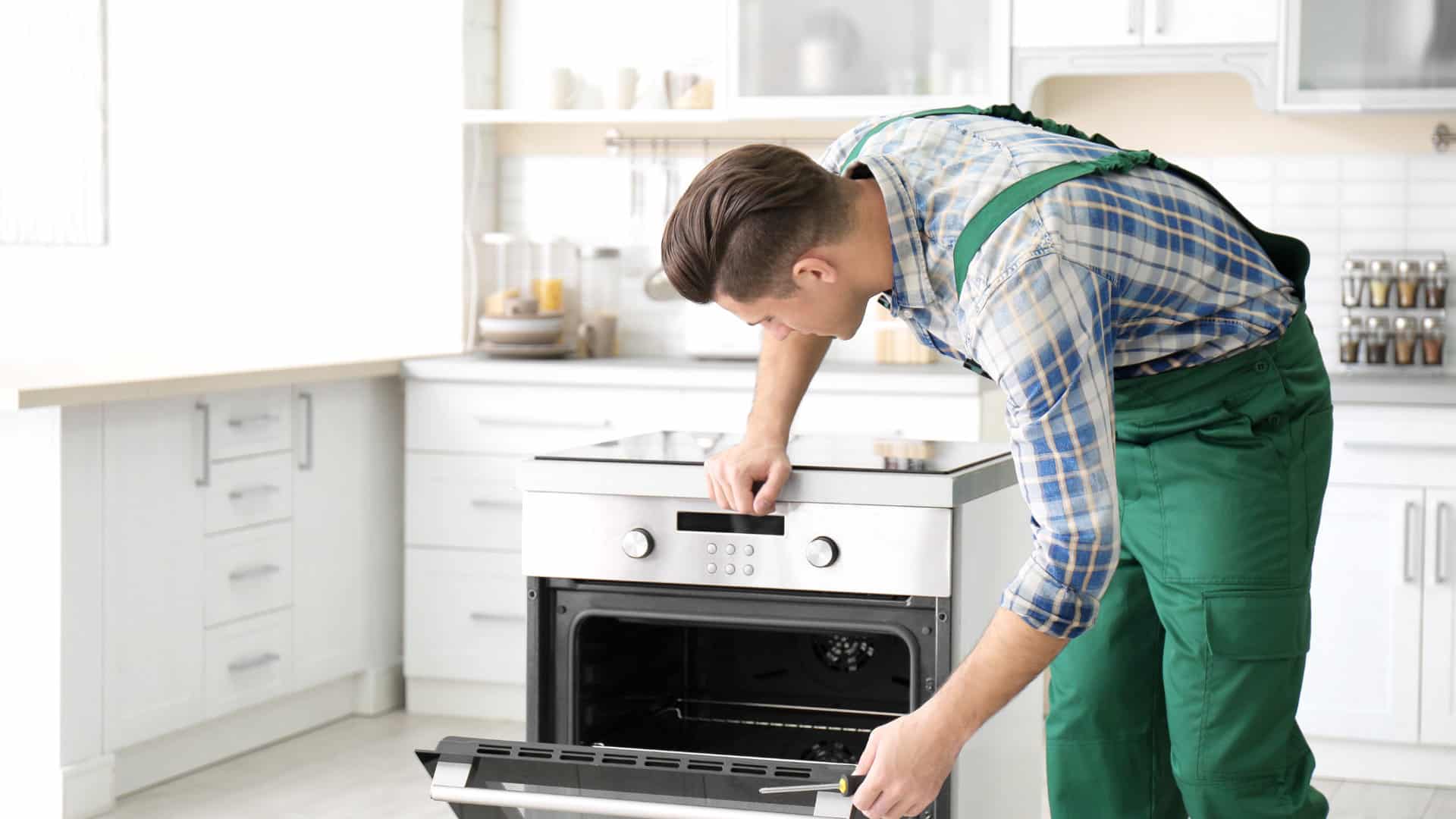

A well-edited wardrobe and a well-edited home have more in common than you might think. Both rely on smart choices, a little know-how, and the confidence to fix what is not quite right instead of starting from scratch. Repairing instead of replacing is becoming one of the most practical sustainability habits you can adopt.
From a kettle that will not boil to a washing machine with an annoying drip, many household hiccups are not a sign that an appliance is finished. Often, it is just one small part away from working like new.
Why repairing feels like modern luxury
Sustainability can feel abstract until it shows up in everyday routines. Appliances are a strong place to start because they are big-ticket items with a significant environmental footprint. Sustainable appliance care means extending the life of what you already own, which reduces demand for raw materials, packaging, and electronic waste.
There is also a clear cost-of-living benefit. Replacing a toaster or vacuum might seem minor, but those small purchases add up quickly. For many households, DIY appliance repair is the difference between a quick fix and an unnecessary expense.
Common fixes that feel intimidating but are manageable
You do not need a professional-grade toolbox to handle many everyday repairs. A surprising number of problems come down to parts that are designed to be replaced.
Examples that are often straightforward include:
- Washing machines: door seals, filters, drain pumps
- Dishwashers: spray arms, baskets, seals
- Vacuum cleaners: hoses, brushes, filters
- Coffee machines: water filters, gaskets, milk frother parts
If you can follow a step-by-step guide and take a photo before removing anything, you are already halfway there.
A simple three step routine for DIY appliance repair
Think of this as a capsule routine for sustainable home care:
- Diagnose the symptom: leaking, not heating, not draining, unusual noise
- Find your model number: usually on a sticker or plate, often inside the door, behind a flap, or on the back
- Match the correct part: compatibility matters more than guesswork
That middle step is the key. Model numbers remove uncertainty and help you avoid buying a part that looks right but does not fit.
Where to find the right parts with confidence
Repairs stay calm and predictable when you buy from a specialist that lets you search by appliance, brand, and model number. A supplier such as fixpart.ie is built for this, with parts and accessories for household appliances designed to help you identify the correct component quickly.
If you are new to self-repair, check three things before you buy:
- Clear compatibility information for your specific model
- Guidance that helps you verify you have chosen correctly
- A sensible returns policy that reduces the pressure on first-time repairs
Make it a habit, not a hassle
The goal is not to become a full-time DIY expert. It is to build a few small habits that keep your home running smoothly and reduce the chance of bigger breakdowns.
- Clean filters regularly in your vacuum, dishwasher, and washing machine
- Descale kettles and coffee machines before performance drops
- Do not ignore small leaks or strange noises, early fixes are usually simpler
- Save model numbers in your phone for quick reference later
The takeaway
Sustainable appliance care is one of the most practical ways to cut waste at home without sacrificing comfort. Start small, choose one easy fix, and let that first success build confidence. A repaired appliance will not only work better, it will also feel like a quiet win for your budget and the planet.
Frequently Asked Questions
What is sustainable home appliance care?
Sustainable home appliance care means maintaining, repairing and extending the useful life of household appliances instead of replacing them unnecessarily. It can help reduce waste, conserve resources and lower household costs.
Is repairing an appliance more sustainable than replacing it?
In many cases, repairing an appliance can reduce the environmental impact associated with manufacturing, packaging and disposing of a replacement. The sustainability benefit depends on factors such as the appliance’s condition, energy efficiency, repairability and the nature of the fault.
What home appliances can I repair myself?
Some relatively straightforward repairs involve replaceable components such as filters, hoses, seals, brushes, spray arms and certain gaskets. The difficulty varies by appliance and component, so always follow appropriate instructions and avoid repairs involving serious electrical, gas or other safety risks unless you are qualified to perform them.
How do I find my appliance model number?
An appliance model number is commonly printed on a label or identification plate. Depending on the appliance, it may be found inside a door, behind a flap, on the back or on another accessible part of the appliance.
Why is the appliance model number important?
The model number helps identify the exact appliance and makes it easier to find compatible replacement parts. Relying only on appearance can result in purchasing a component that does not fit or work with the appliance.
How can appliance maintenance reduce household waste?
Regular maintenance can help prevent avoidable breakdowns and extend the useful life of appliances. Cleaning filters, descaling where appropriate and dealing with small problems early can reduce the need for premature replacement.
What should I check before buying an appliance replacement part?
Check the appliance brand and exact model number, confirm that the replacement part is compatible, review available installation guidance and understand the supplier’s returns policy before purchasing.
When should I replace an appliance instead of repairing it?
Replacement may be worth considering when an appliance has repeated major faults, is inefficient, unsafe, uneconomical to repair or no longer has suitable replacement parts available. The decision should consider repair cost, appliance age, efficiency and expected remaining lifespan.
